Drug Diversion Programs as Alternatives to Prosecution
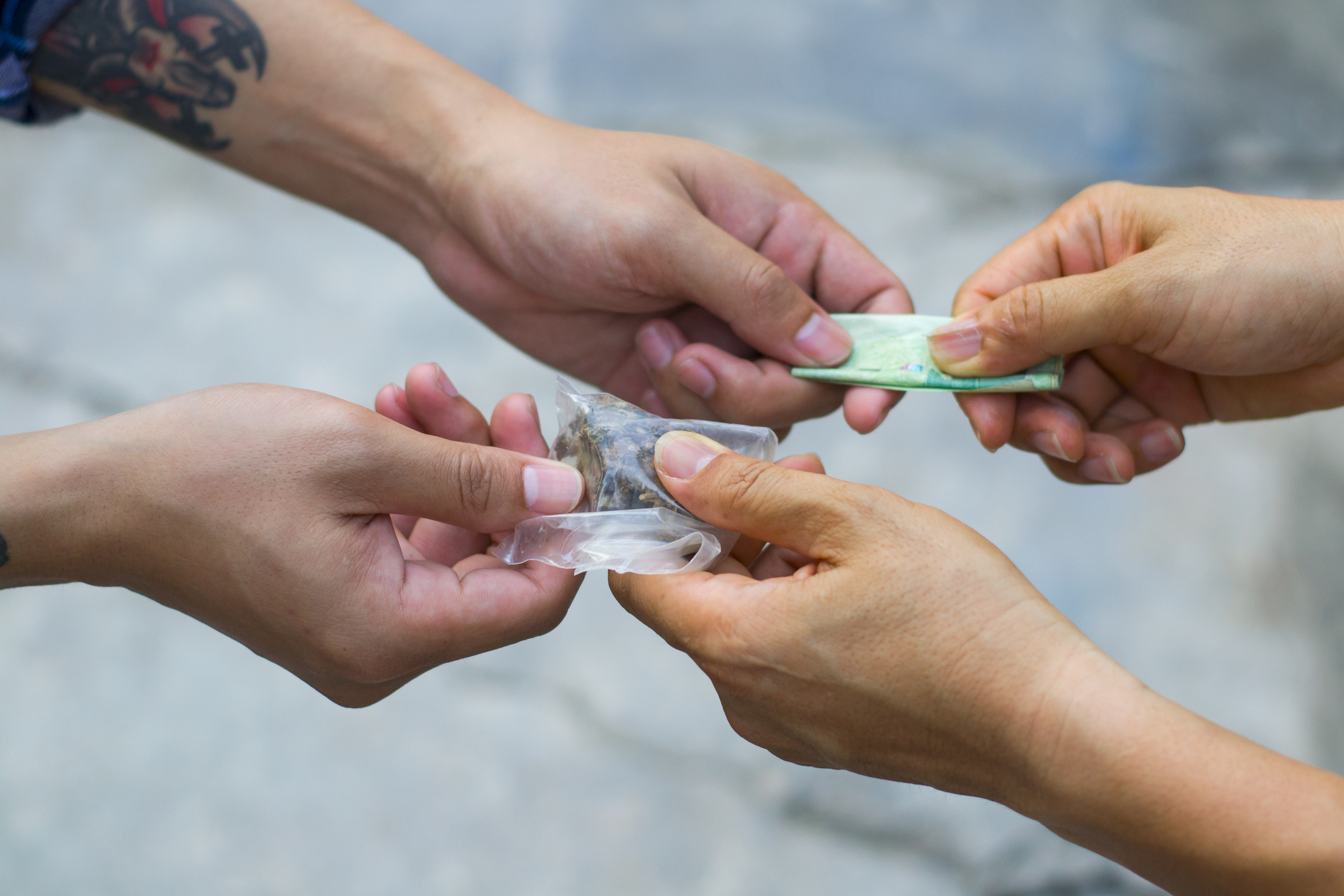
Many people end up in the criminal justice system primarily because of drug addiction. For those charged with non-violent crimes, it is widely agreed that rehabilitation is a more effective, positive choice than incarceration. In fact, incarceration can too often lead people down an even darker path.
Defendants whose offenses stem from addiction may be eligible for structured rehabilitation programs that provide the possibility of reduced or dismissed charges. These programs are intended to create a path for the individual to overcome their drug problems outside the criminal justice system.
Drug diversion programs have become increasingly common across the country. In New York, drug treatment courts (DTCs) have been implemented statewide. Under Criminal Procedure Law § 216.05, a defendant can seek participation in a DTC any time after their arraignment but before they plead guilty to a criminal offense. They will then be evaluated to determine their eligibility for admission.
The criteria for eligibility are the following:
- The case must involve a non‑violent offense, such as drug possession or another crime clearly driven by substance use.
- The defendant must have a diagnosable drug or alcohol addiction that contributed to the criminal conduct.
- The defendant cannot have a history of prior violent crimes, serious felonies or repeated failures in treatment programs.
DTC admission depends on cooperation among defense attorneys, prosecutors and judges. The prosecutor must agree that the defendant is appropriate for diversion and the judge must determine that the defendant can safely be supervised in the community while receiving treatment.
Drug treatment programs are voluntary but court-supervised. Participants must sign a DTC agreement, along with prosecutors, the judge and their defense attorney. Individualized programs have stringent requirements, including random drug tests, regular court appearances and check-ins with case managers. If the defendant successfully completes their program, they can get a reduction in their charges or sentences or even potentially dismissal of charges.
While participating in these programs avoids incarceration, the defendant is still considered to be under the jurisdiction of the court. If they violate any of the conditions of the program and their agreement, they may forfeit their participation and be taken into custody and prosecuted.
The Law Office of Maurice J. Verrillo P.C. in Rochester helps people in Western New York State charged with drug crimes and other misdemeanor and felony offenses for which a drug diversion program may be an alternative to incarceration. Call 585-563-1134 or contact us online to schedule a consultation.

July 28, 2026 Posted in Drug Possession Tagged drug, incarceration, rehabilitation Comments Off on Drug Diversion Programs as Alternatives to Prosecution